Every construction and remodeling project in Brooksville generates one thing besides a finished building: debris. Framing offcuts, torn-out drywall, old shingles, bent metal, and broken concrete block pile up fast, and how you handle that waste has a direct effect on your timeline, your budget, and your standing with local code enforcement. Disposing of construction and demolition (C&D) debris the right way is not just about hauling it away. It is about sorting it correctly, matching the debris to the right container, staying under weight limits, recycling what you can, and keeping the jobsite clean enough to keep work moving. This guide walks contractors and DIY remodelers across Hernando County through a smarter approach to C&D disposal.
Why Construction Debris Deserves a Real Plan
C&D debris behaves differently from household trash. It is heavier, bulkier, and often mixed with materials that have separate disposal rules under Florida law. In a fast-growing area like Hernando County, where new-construction subdivisions and remodels are booming, dump sites and transfer stations pay close attention to what arrives and how it is separated. A load that is contaminated or over its rated tonnage can be rejected or hit with surcharges, and that cost lands on your project.
Planning debris removal before demolition even starts saves money and headaches. When you know roughly how much waste a job will produce and what type it will be, you can order the correct container size and schedule swaps so a full bin never stops your crew. A flat-rate roll-off dumpster makes that planning easier because you know your disposal cost up front instead of guessing at variable dump fees.
Sorting C&D Debris: Know Your Materials
The single most important habit on a clean jobsite is separating debris as you generate it, not after the pile has already mixed together. Sorting at the source protects you from contamination fees and opens the door to recycling. Here are the main C&D streams you will deal with in Central Florida:
- Wood: Framing lumber, plywood, trim, and pallets. Clean, untreated wood is often recyclable into mulch or biomass; painted or treated wood usually is not.
- Drywall: Gypsum board scraps and torn-out sheets. Drywall is bulky and light, and its sulfur content means many facilities want it kept separate.
- Roofing: Asphalt shingles, underlayment, and felt. Shingle tear-offs are dense and add weight quickly, so they are a common cause of over-tonnage.
- Metal: Ductwork, flashing, rebar, conduit, and appliances. Scrap metal has real resale value and should almost never go in a mixed load.
- Concrete, block, and masonry: Broken slab, concrete block (CMU), brick, and stucco. This is the heaviest material you will handle and it needs its own approach.
Because so much construction in Brooksville uses concrete-block-and-stucco (CBS) methods, masonry debris shows up on nearly every remodel and demolition. That heavy material is exactly what you do not want filling a standard bin.
Roll-Off vs. Dedicated Heavy-Debris Bins
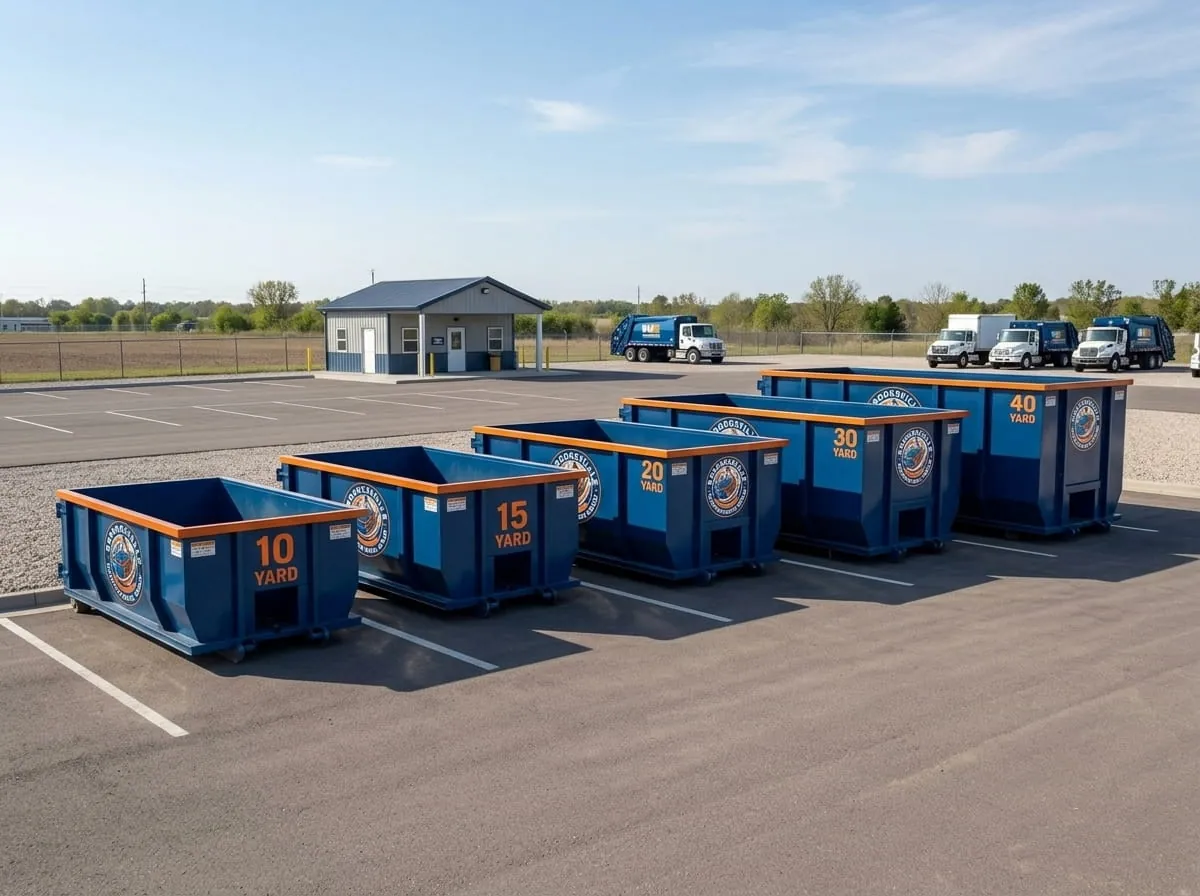
A general-purpose roll-off is the workhorse of most jobsites. It handles mixed C&D debris, wood, drywall, roofing, and light metal, and it comes in sizes that suit anything from a bathroom gut to a full-house remodel. For most builds, a construction dumpster rental in the 20 to 40 cubic yard range is the right call for bulky-but-manageable waste.
When to Switch to a Heavy-Debris Bin
Concrete, block, brick, and dirt are a different problem. These materials are so dense that a standard 30-yard dumpster would exceed safe transport weight long before it looked full. That is why dense masonry belongs in a dedicated concrete and heavy debris bin, typically a smaller 10 or 12 yard container rated for the load. Using the right bin keeps you legal on the road, protects the hauling equipment, and prevents the ugly surprise of a rejected or surcharged load. A good rule of thumb: if you are demolishing a slab, driveway, block wall, or stucco exterior, order a separate heavy-debris container and keep that material out of your mixed roll-off entirely.
Weight Limits, Tonnage, and Florida Disposal Rules
Every roll-off has a weight allowance built into its rate, usually expressed in tons. Go over that tonnage and you pay overage charges, because the disposal facility bills by weight at the scale. Understanding the difference between volume and weight is what separates a smooth project from a budget overrun.
A few realities to plan around:
- Dense materials fill weight before volume. Concrete, tile, dirt, and shingles can max out the tonnage while the bin looks half empty.
- Light materials fill volume before weight. Drywall, insulation, and cabinetry take up space fast but weigh little, so size up the container instead of overloading.
- Never overfill. Debris must sit level with the top rail. An overloaded bin cannot legally be hauled and the driver may refuse it.
Florida regulates C&D debris through the Department of Environmental Protection, and permitted C&D facilities have specific rules about what they will accept. Certain items are banned from standard C&D loads, including tires, appliances containing refrigerant, batteries, fluorescent tubes, paints, solvents, and other hazardous materials. Keeping these out of your dumpster is both a legal requirement and a courtesy that keeps your loads moving through the scale house without a hold.
Recycling C&D Materials and Staying Compliant
Recycling is not just good environmental practice; in a high-growth county it can also lower your disposal costs. A large share of construction debris is recoverable when it is sorted well. Consider routing these streams to recovery instead of the landfill:
- Concrete and block can be crushed and reused as aggregate or road base.
- Clean wood becomes mulch, boiler fuel, or engineered products.
- Metal holds scrap value and is almost always recyclable.
- Cardboard from material packaging recycles easily and clears space fast.
Beyond the environmental win, compliance protects your business. Keep dumpsters on your own site or with proper placement approval, do not let debris blow into neighboring lots, and hold onto disposal records in case an inspector asks. In Hernando County's newer subdivisions, HOAs and general contractors often require a tidy, contained jobsite as a condition of the contract. A clean site is also a safer site, which matters when you are working through Florida's summer heat and humidity and crews are already fighting fatigue.
Scheduling Swaps to Keep Your Build on Time
A dumpster that sits full is a dumpster that stops work. The most overlooked part of debris management is timing your container swaps so the crew always has somewhere to throw material. On a phased project, that means lining up empties to match your demolition, framing, roofing, and finish stages rather than reacting after a bin overflows.
Practical scheduling tips for a Brooksville jobsite:
- Order early. During peak building season, containers get booked; give yourself lead time.
- Match swaps to milestones. Schedule a fresh bin right before roofing tear-off or a big demo day.
- Work in the cooler hours. Florida heat means crews load most efficiently in the morning, so have the bin ready before the day heats up.
- Keep one call handy. A flat-rate, call-only provider makes same-week swaps simple with no back-and-forth pricing.
When you know your disposal cost is fixed and your swap is one phone call away, debris stops being a variable that threatens your schedule and becomes just another managed part of the build.
Get the right dumpster for your Brooksville jobsite. Handling construction debris the right way comes down to sorting your materials, matching them to the correct container, respecting weight limits, recycling what you can, and scheduling swaps that keep the crew moving. Get these five habits right and disposal stops being an afterthought that eats into your margin and becomes a predictable line item you control from day one. Brooksville Dumpster Rental Group serves contractors and DIY remodelers across Brooksville and Hernando County with flat-rate roll-off and heavy-debris bins sized for the job. Ready to keep your next build clean, compliant, and on schedule? Reach out through our contact page or call (352) 397-2562 today for fast, flat-rate service.
Founder, Brooksville Dumpster Rental Group — sharing straight advice from more than 15 years of local hauling experience.